
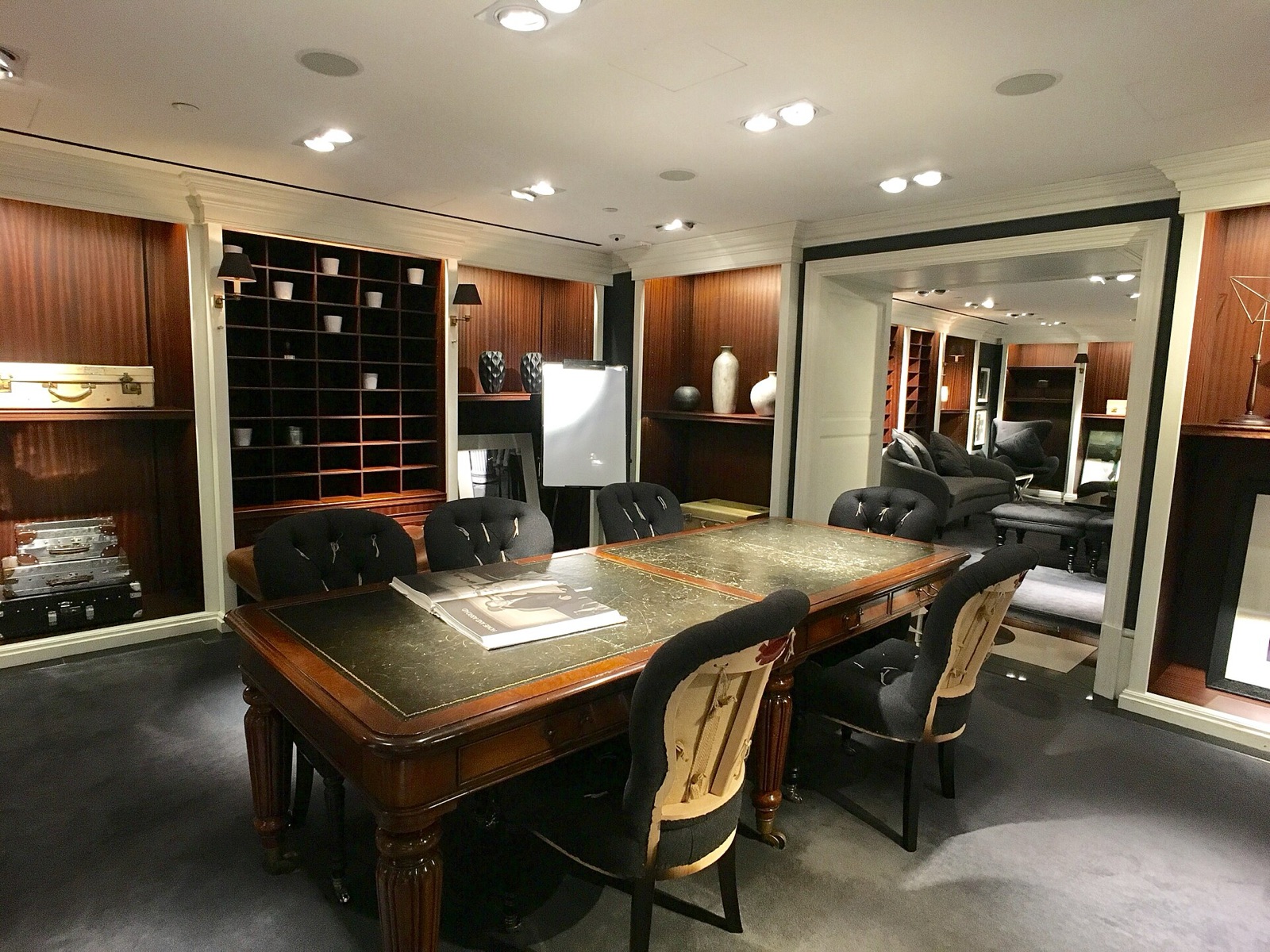
Hybrid work changed the question from "how many desks do we need" to "what is the office for". A clear workspace strategy translates headcount, culture and growth plans into an office brief that fits real behaviour.
Measure before you design
Collect attendance data from access cards, desk booking tools or simple surveys over several weeks. Note peak days, average occupancy and which teams come in together. Many organisations find peak days drive the real requirement.
Define the purpose of the office
- Collaboration: project rooms, team neighbourhoods and writable walls.
- Focus: quiet zones and phone booths for calls.
- Culture and learning: town hall areas, training rooms and social spaces.
- Client presence: reception and meeting suites that reflect the brand.
Choose a desk policy
Options range from fixed desks to team-based neighbourhoods to fully bookable desks. A desk-sharing ratio should come from attendance data, not a target number, and should leave headroom for peak days.
Plan for change
Build a brief with a three year view: expected hiring, possible consolidation and new locations. Flexible lease clauses, expansion options or a mix of core leased space and managed space can absorb uncertainty.
Involve people early
Workplace changes succeed when employees understand the reasons. Share data, run pilot zones and gather feedback before finalising layouts.
Turn strategy into a brief
The final output should state area requirement, space mix, preferred corridors, budget range and timeline. That brief makes every property comparison objective.
FAQ
What occupancy level should we plan for? Plan for realistic peak attendance plus a buffer, rather than average attendance.
Does hybrid work always mean less space? Not always. Some teams need less desk area but more meeting and collaboration space.
PrimeSpaceWorks turns hybrid patterns and growth plans into a high-confidence workplace brief. Share your current setup at primespaceworks.com.