
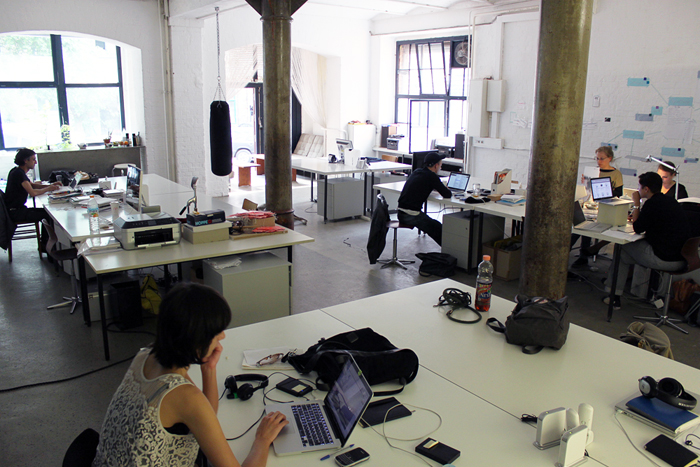
Teams looking for workspace in Delhi NCR now have three broad options: coworking memberships, managed offices and conventional leases. Each solves a different problem, and the right answer depends on team size, speed and how much control you need.
Coworking
Shared floors with hot desks or dedicated desks and access to common meeting rooms. Best for small teams, project groups and companies testing a new city. Commitments are short and setup is almost instant, but privacy and branding are limited.
Managed office
A private, fully fitted office run by an operator, often designed to your layout and branded for your company. You pay one monthly fee covering rent, fit-out, furniture, maintenance and services. Managed offices suit teams of roughly twenty to a few hundred who want speed and a credible address without managing a fit-out project.
Conventional lease
You lease space directly from the landlord, fund and manage the fit-out, and run facilities yourself or through a facility partner. This gives maximum control over design and long-term cost, but needs capital, time and internal management bandwidth.
How to compare fairly
- Convert every option to cost per seat per month including services.
- Compare commitment length and exit flexibility.
- Check what is included: internet, housekeeping, security, power backup, meeting rooms.
- Visit at peak hours to judge noise, lifts and parking.
- Read the agreement for escalation, expansion rights and exit penalties.
A simple rule of thumb
If your headcount may change sharply in the next eighteen months, start flexible. If the team is stable and the location is strategic, a lease may deliver better long-term value.
FAQ
Can a managed office be customised? Yes, many operators fit out to your layout and branding for longer commitments.
Is GST charged on managed office fees? Typically yes; confirm the tax treatment with your finance team.
PrimeSpaceWorks compares managed, flexible and leased paths side by side for your team. Start with a brief at primespaceworks.com.